
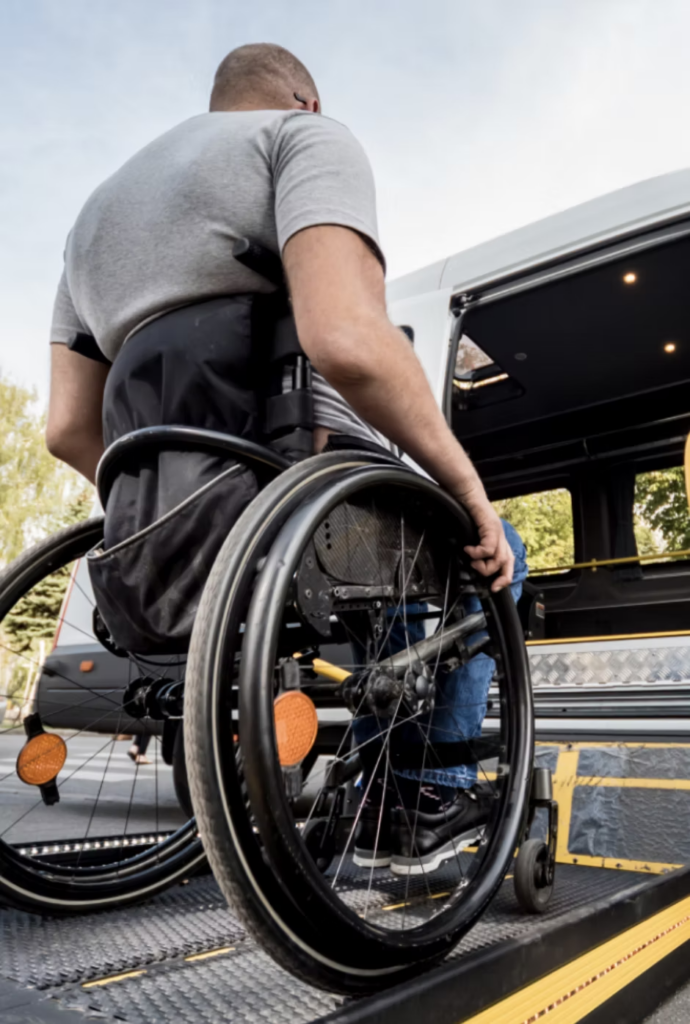
A medical emergency can happen unexpectedly. Knowing how to respond calmly, recognise warning signs, and contact emergency services can help someone receive timely care when every moment matters. Our Team are trained in first aid, CPR and knows exactly what to do in emergency while following our poilices and procedures when assisting our participants.
Recognising a Medical Emergency
Potential warning signs may include severe difficulty breathing, unconsciousness, heavy bleeding, sudden weakness on one side of the body, severe chest pain, or a serious injury. A person who suddenly becomes unresponsive or is not breathing normally needs immediate emergency assistance.
When symptoms are severe or potentially life-threatening, do not wait to see whether they will improve, call Triple Zero (000) for assistance.
Contact Emergency Services
In Australia, call Triple Zero (000) for an ambulance in a life-threatening emergency. Give the operator your location, explain what has happened, describe the person’s condition, and follow the instructions provided.
Where possible, ask your support worker to meet the ambulance or help direct responders to the scene.
Keep the Scene Safe
Before approaching, check for dangers such as traffic, fire, electricity, or hazardous substances. Do not put yourself or others at unnecessary risk while trying to help.
Provide Appropriate First Aid
Follow the emergency operator’s instructions and provide first aid only within your level of training. If a person is unresponsive and not breathing normally, begin CPR and use an automated external defibrillator (AED) if available, following the operator’s guidance and the device’s prompts.
For severe external bleeding, apply firm, direct pressure to the wound when it is safe to do so. Avoid moving someone with a suspected serious spinal injury unless there is an immediate danger or movement is necessary to provide lifesaving care.
Stay With the Person
If it is safe to do so, remain with the person and monitor their breathing and responsiveness until help arrives. Reassure them, keep bystanders clear, and tell emergency responders about any changes in their condition.
Do not give food, drink, or medication to an unconscious person.
Prepare Before an Emergency Happens
Learning first aid and CPR, knowing your local emergency number, and keeping essential medical information accessible can help you respond more confidently. Make sure family members know where to find emergency contacts and relevant medical details.
These general steps are not a substitute for professional emergency care. If you suspect a life-threatening emergency, contact emergency services immediately and follow their directions.